
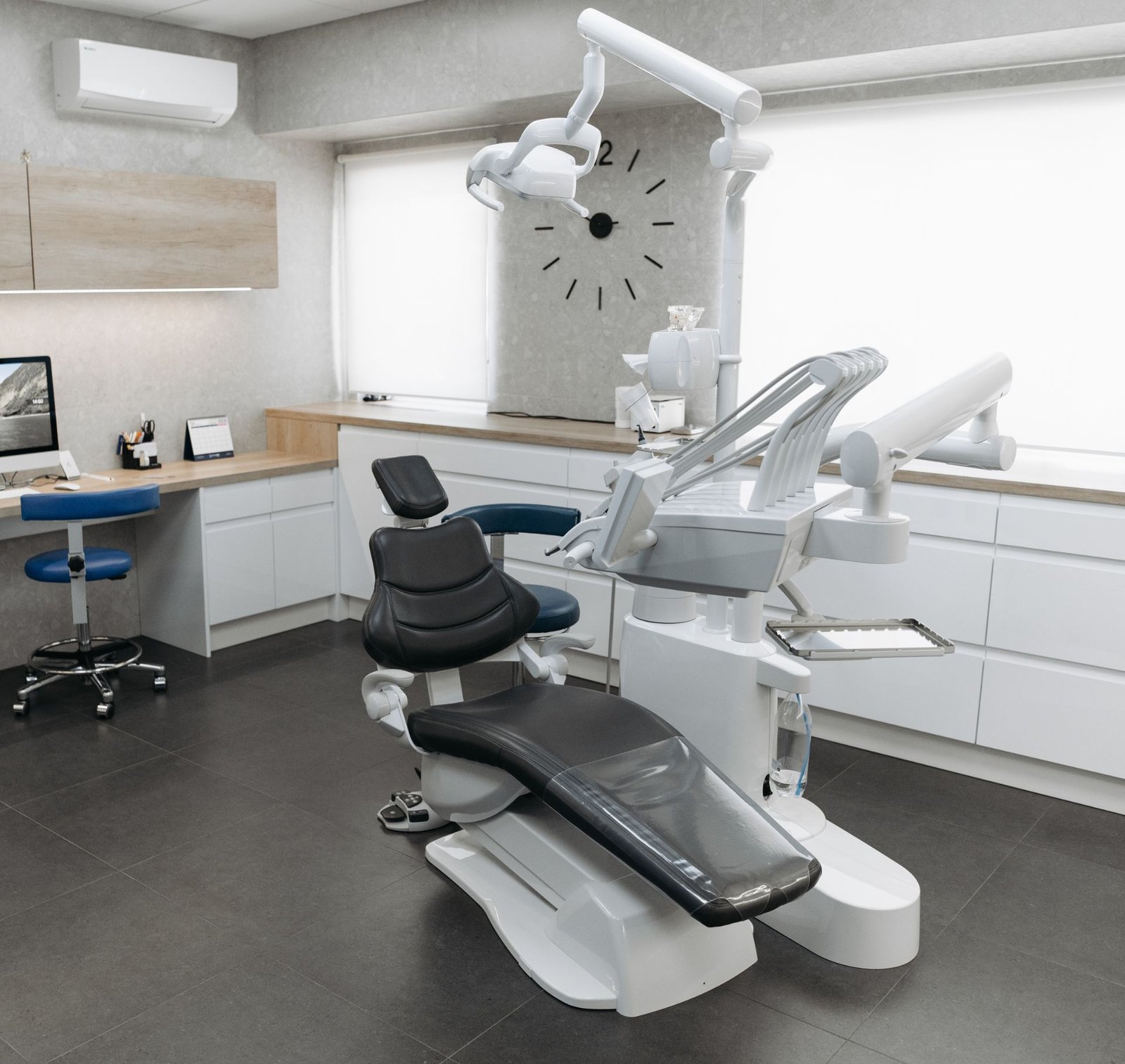
A well-functioning dental chair is essential for the smooth operation of any dental practice. Routine maintenance and prompt repairs can prevent downtime, enhance patient comfort, and extend the lifespan of your equipment.
Troubleshooting Electrical and Hydraulic Issues
Dental chairs rely on a combination of electrical and hydraulic systems to provide smooth operation. When these systems fail, it can disrupt patient care and cause costly delays. Here are some common issues and troubleshooting tips:
- Electrical Malfunctions: If your dental chair is unresponsive, check the power source first. Ensure the chair is plugged in, and the circuit breaker hasn’t tripped. Faulty wiring or a malfunctioning control panel can also cause electrical failures. In such cases, consulting a technician is recommended.
- Hydraulic Problems: Low hydraulic fluid levels may be the culprit if the chair isn’t adjusting properly or making unusual noises. Check for leaks; if fluid levels are low, refill according to the manufacturer’s specifications. A faulty hydraulic pump or valve may need replacement if the issue persists.
- Motor Failures: If the chair moves slowly or unevenly, the motor may be worn out. Routine lubrication and cleaning can help, but if the problem continues, professional repair or replacement may be necessary.
Upholstery Repairs and Replacements
The upholstery of a dental chair plays a crucial role in patient comfort and the overall aesthetic of the practice. Over time, wear and tear can cause cracks, discoloration, or peeling. Here’s how to address upholstery concerns:
- Minor Repairs: Small cracks or tears can often be fixed with vinyl repair kits, which provide a temporary solution to prevent further damage.
- Reupholstering: Replacing the upholstery may be the best option if the damage is extensive. Many dental equipment providers offer custom upholstery services that match the original material and design.
- Preventive Care: Regular cleaning with manufacturer-approved disinfectants and using chair covers can help extend the life of the upholstery, keeping it looking fresh and professional.
Regular Maintenance Programs
Preventative maintenance is important to avoid costly repairs and guarantee the longevity of your dental chairs. Implementing a regular maintenance program can help detect issues early and keep the equipment in peak condition. Some essential maintenance steps include:
- Daily Inspections: Check for any visible signs of damage, leaks, or operational inconsistencies.
- Monthly Check-Ups: Test all chair functions, including height adjustments, reclining mechanisms, and control buttons.
- Annual Professional Servicing: Schedule a technician to thoroughly inspect, lubricate moving parts, and replace worn components.
By investing in regular maintenance and timely repairs, dental professionals can ensure that their chairs remain reliable, safe, and comfortable for both patients and staff. Proper care minimizes downtime and helps maintain a high standard of service in the dental practice.